
Israeli authorities must urgently act on repeated calls to protect Palestinian olive harvesters amid unprecedented violence
Statement by the Humanitarian Country Team of the Occupied Palestinian Territory
East Jerusalem, 20 November 2026
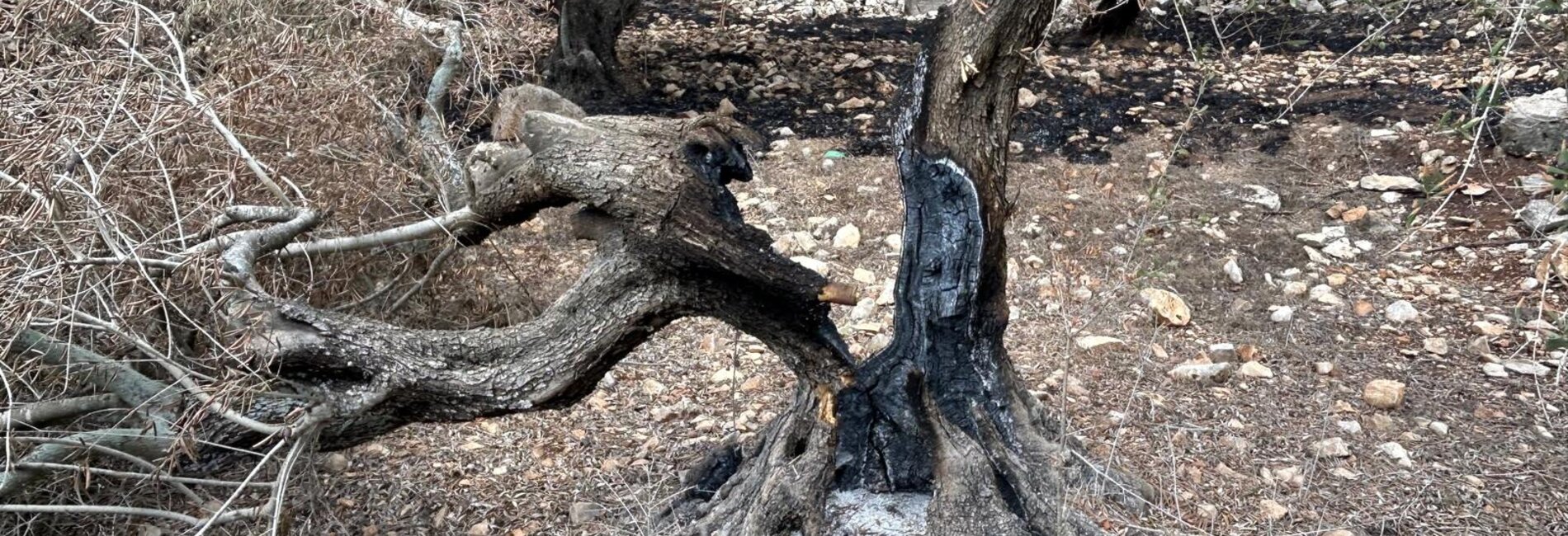
Since September, over 400 Israeli settler attacks linked to the ongoing Palestinian olive harvest have resulted in casualties or damage to property, including to more than 4,000 trees and saplings. The number of attacks this year exceeds that recorded in any previous olive harvest season.
Settler violence has extended to Areas A and B, where Palestinians faced fewer such attacks in previous years. Solidarity activists, journalists and diplomats have also been attacked, and over 25,000 kilograms of produce have been vandalized or stolen.
Earlier calls on the Israeli authorities to protect Palestinians and ensure they can reach their groves safely have not been acted upon. Instead, we’ve seen acquiescence, support and participation. In the first nine months of 2026, Israeli authorities uprooted or otherwise damaged more than 10,000 Palestinian-owned trees and saplings across the West Bank, mostly olives.
Near Israeli settlements and behind the Barrier, Israeli forces are prohibiting the access of landowners to groves unless they obtain Israeli authorization first. Even where access has been scheduled, it has been for an insufficient number of days, often followed by cancellations, entry denial, expulsion or attacks. Israeli settlements have spread to such an extent that few Palestinian communities remain unaffected by such restrictions, which extend in practice beyond the areas shown on the Israeli-issued “coordination” map. As thousands are unable to reach their trees, crops are being lost.
An estimated 80,000 to 100,000 Palestinian families in the West Bank rely on olives and olive oil, with this sector contributing approximately 15 per cent of the agricultural GDP. The harvest also holds deep social and cultural significance.
Restrictions and disruptions during the season and throughout the year prevent essential harvesting and maintenance, including pruning, fertilization and pest control, progressively reducing tree productivity and future harvests. This undermines livelihoods, income, wider food security and agricultural resilience, with broader implications for the enjoyment of rights, including freedom of movement.
This year’s harvesting window is closing, but there is still some time to act.
Humanitarian NGOs and UN agencies urge the Israeli authorities in the strongest possible terms: end all attacks on Palestinians and their livelihoods, as required by international law. Ensure farmers have free, safe, sufficient and reliable access to their land. They must be able to bring essential agricultural supplies, equipment and vehicles, and safely transport their harvested olives. Perpetrators must be stopped and held to account. Member States are urged to use their influence to ensure these measures are implemented promptly and sustained throughout the year.
* The Humanitarian Country Team (HCT) is a strategic decision-making forum led by the Humanitarian Coordinator for the Occupied Palestinian Territory. It brings together heads of UN entities and NGOs – both international and Palestinian – all working on humanitarian affairs in the West Bank and the Gaza Strip under internationally agreed humanitarian principles.


subscribe to our mailing list
SUBSCRIBE TO RECEIVE OCHA'S INFORMATION PRODUCTS
 SUBSCRIBE
OCHA Sites










Follow Us
Support
Your donations go to relief organizations delivering quick and effective support to Palestinians in need.